


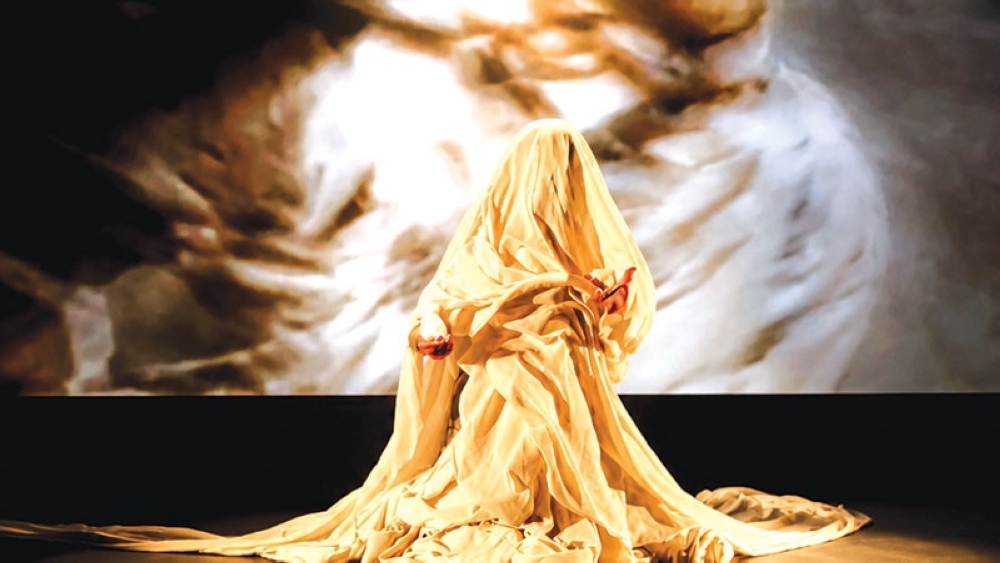





A single light cuts through the silence, casting its spotlight on an Omani artist standing alone at centre stage. Slowly, she began to move. Slow at first until she eventually disappeared into a cocoon of fabric, folding herself into layers that felt both protective and imprisoning. Behind her, a luminous screen flickers to life, revealing pre-recorded movements of the artist herself, ghostlike echoes that deepen the performance’s emotional weight. The soundscape swells into something unsettling: raw, suffocating, almost intrusive, amplifying the tension that hangs in the room. What unfolds is not simply a performance but an arresting meditation on confinement, identity and transformation.
For about half an hour, Muscat-based interdisciplinary artist Safa Baluchi moved with ritualistic slowness. The performance began quietly, centred on the belly. Not merely as anatomy, but as archive. A place where memory settles long before language does.
The audience watched as she disappeared beneath layers of textiles that seemed to embody generations of memory, grief and survival. The space itself became suffocating. Yet from within that darkness, Baluchi emerged again. Rebirth, perhaps. But not release.
Because the question at the centre of Body as a Witness was never whether the body can escape memory. It was whether a body can ever fully reclaim itself again.
In describing the work, Baluchi explained that the performance grew from conversations about “the moments that the body goes across and records”. The fabric itself became a measuring tool. “How do you measure your body?” she asked. “It’s through what it encounters and its journey through these experiences”.
As the work intensified, the lights sharpened into dizzying flashes while the music rose into an overwhelming pulse. Baluchi’s movements became increasingly fractured. It was here that the meaning of the work became impossible to ignore: the body remembers everything. Even after survival. Even after rebirth.
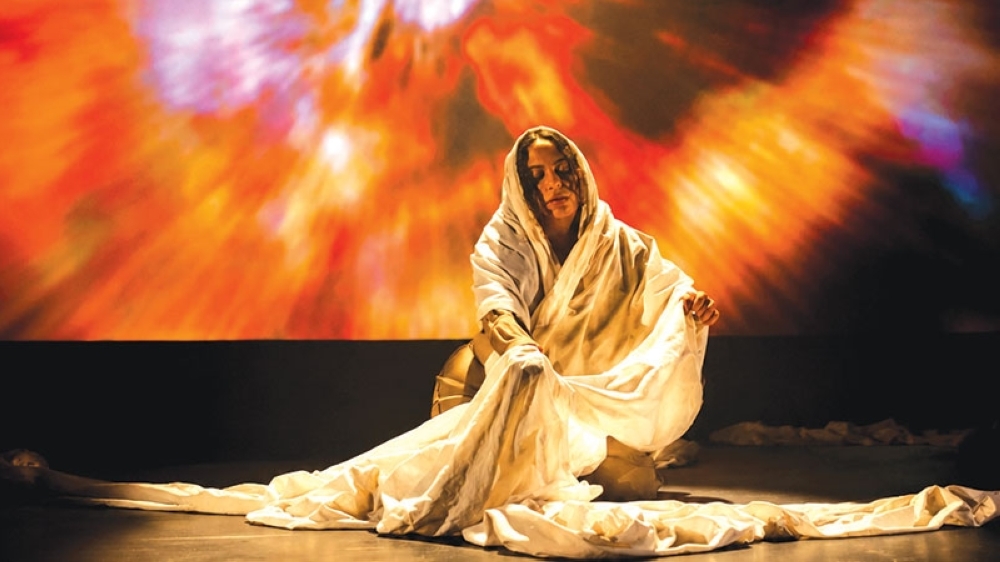
Baluchi stood as the only Omani artist participating in Art Dubai’s landmark 20th anniversary edition, a detail that carried particular weight within a fair increasingly shaped by global conversations around identity, displacement and representation.
The performance itself unfolded through a deeply collaborative process. Long before the artist stepped onto the stage, Rayane Haddad had already begun shaping the emotional architecture of the work through both its visual world and lighting design, crafting the atmosphere that would ultimately hold the performance together. Presented alongside Haddad’s immersive visual and lighting direction, as well as an original musical arrangement by Amro Zidan, the piece emerged as one of the most quietly devastating performances of this year’s fair.
A SUPPORT TO EMERGING VOICES
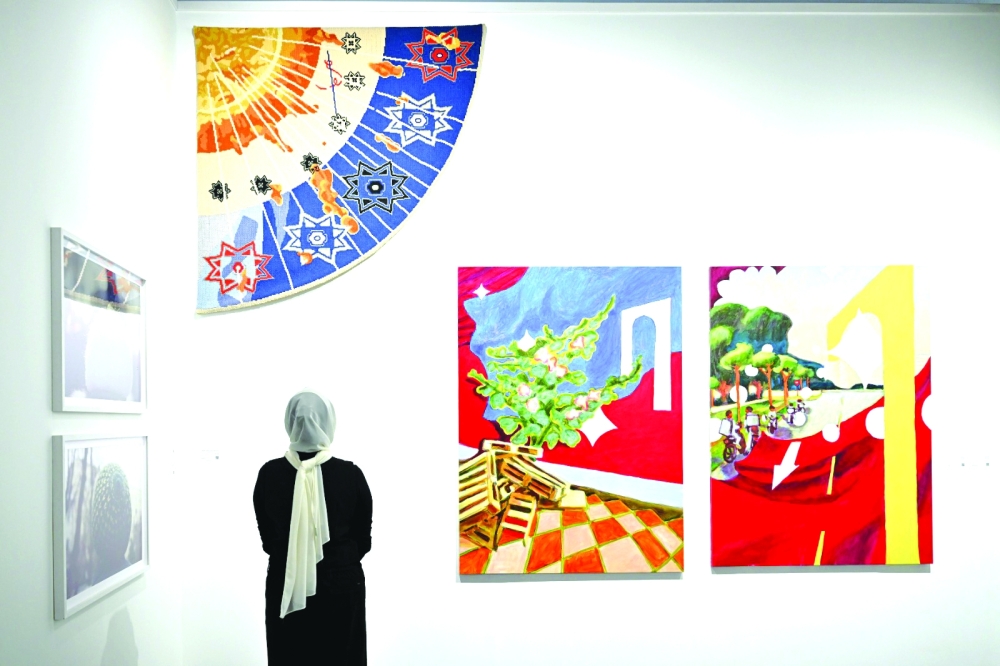
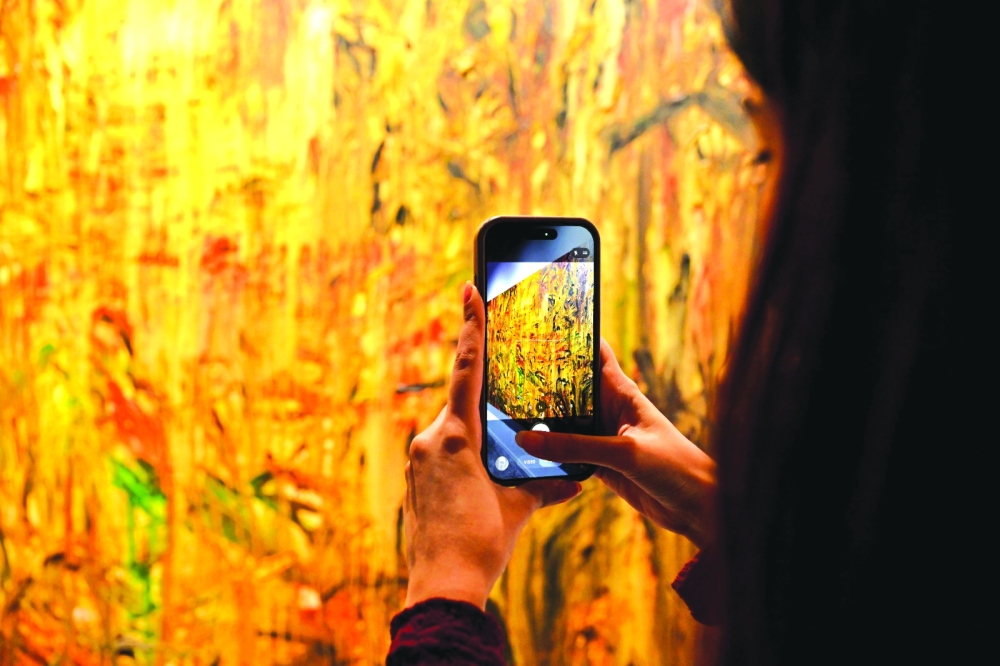
For two decades, Art Dubai has positioned itself as more than a commercial fair. According to Executive Director Benedetta Ghione and Curatorial Director Alexie Glass-Kantor, this year’s Art Dubai is less a conventional art fair and more a reflection of cultural resilience during a difficult moment for the region. Reimagined within just seven weeks due to ongoing regional tensions, the fair’s 20th anniversary edition focuses on collaboration, community and curiosity rather than spectacle alone.
Ghione described the edition as proof of the cultural scene’s resilience and the importance of bringing artists, galleries and institutions together “at a time when that role of convening feels more important than ever". Meanwhile, Glass-Kantor framed the fair around “things we do together”, emphasising performances, installations, conversations and shared experiences that invite audiences to spend time, engage deeply and encounter art in unexpected ways. Speaking during a walkthrough of the fair, Glass-Kantor described the edition as one shaped by collaboration and resilience. “We didn’t want to compromise on ambition”, she said.
She also said that Baluchi’s inclusion within the Sharjah Art Foundation’s performance programme is an example of how Art Dubai continues to support emerging voices across different artistic forms, referring to Baluchi as "a young groundbreaking Omani choreographer premiering a work”.
Perhaps that is why Baluchi’s work resonated so strongly within this environment.
SITTING INSIDE DISCOMFORT
Born in Oman but working between Muscat, Berlin and beyond, Baluchi’s practice moves between performance, textiles and visual arts. Much of her work is rooted in questions of identity, belonging and inherited memory. During the interview, she described her artistic journey as one of “discovering and unlayering” what identity means beyond fixed definitions.
“I work a lot with the body”, she said. “There’s always fabric in my work”.
That relationship with material traces directly back to childhood memories. Baluchi recalled growing up surrounded by women who sewed and cared deeply about fabric, particularly her mother and grandmother. Even her grandfather worked constantly with materials through traditional craftsmanship.
“I was obsessed with conserving what he does”, she said of her grandfather. “A lot of what they do is performative in action”.
There is a quiet significance in seeing an Omani performance artist occupy a stage as visible as Art Dubai, particularly within a region where performance art still remains relatively rare. Baluchi herself acknowledged that most of her performances have historically taken place in Europe or the Levant rather than close to home. “I think it’s really nice to bring it home”, she said.
Watching Baluchi move through Body as a Witness, it became clear that the performance was not trying to provide answers. Instead, it asked audiences to sit inside discomfort. To recognise how trauma can shape a person long after visible wounds disappear.
And in a region overwhelmed by images of conflict and displacement, that question lingered long after the performance ended: If the body becomes a witness to life, can it ever truly forget?
Oman Observer is now on the WhatsApp channel. Click here


